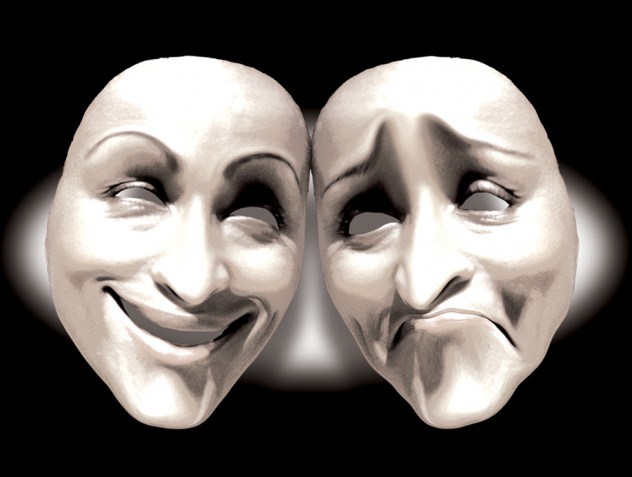
The word healing comes from the idea of becoming more whole. Yet many approaches to healing divide a human being into separate parts. The body is treated in one office, the emotions in another, the mind somewhere else, and the questions of meaning, purpose, and soul may not be addressed at all.
Specialized care is valuable and often necessary. But when we forget that all these dimensions belong to one person, we can miss the relationships among them.
The human psyche includes personality and soul. The personality expresses through the physical, emotional, and mental bodies. These dimensions continually influence one another. A physical condition affects mood and thought. An emotional shock changes breathing, digestion, sleep, and muscle tension. Family relationships shape the nervous system. Meaning and purpose influence how we endure difficulty and participate in our own healing.
The mysterious missing piece is not one more technique. It is the willingness to see the whole person.
What the eyes add to the picture
Physical iridology studies visible patterns in the colored portion of the eye as indicators of inherited constitutional tendencies. Behavioral Iridology explores these patterns through another lens: personality, communication, sensitivity, stress responses, relationship dynamics, creative gifts, and family inheritance.
In our model, the right eye reflects the paternal lineage and the left eye reflects the maternal lineage. Structural patterns—including psora, lacunae, and neurogenic fibers—become part of a larger conversation about how a person processes life.
The eyes do not tell us that someone is broken, and they do not reduce a person to a label. They offer a map: a way to ask better questions about the strengths, pressures, and lessons a person may carry.
The family inside the individual
No one arrives without a history. We inherit physical traits through our family line, and we also grow up within patterns of communication, attachment, power, loss, loyalty, silence, resilience, and love.
Our parents learned from their parents, who learned from theirs. Some patterns are spoken openly. Others travel through a family without words. A child may feel the tension, grief, fear, or expectation long before anyone explains its origin.
Behavioral Iridology brings the eyes, genealogy, and birth order together so these patterns can be seen in context. Rather than asking only, “What is wrong with me?” we begin asking:
- What happened in this family?
- What did I learn to become in response?
- Which qualities helped me survive?
- Which of those strategies no longer serve me?
- What wants to become more whole now?
Healing is rarely a straight line
Deep healing often resembles the gradual unwinding of a tightly wound cord. A person may need appropriate medical care, therapy, nutrition, movement, rest, education, supportive relationships, spiritual practice, and time. The combination changes as the person changes.
Behavioral Iridology does not replace these resources. It contributes another perspective—one designed to help people recognize their inherited patterns and participate more consciously in their own lives.
The goal is not to “fix” a human being. The goal is to increase understanding, restore communication among the parts, and create the conditions in which greater harmony becomes possible.
We do not get wounded alone, and we do not heal alone. When individuals, couples, families, and practitioners learn to recognize the deeper pattern, healing becomes more than symptom management. It becomes a journey toward wholeness.
Invitation: Begin with the free resources in Start and discover how your eyes can open a deeper conversation about who you are.
Behavioral Iridology is an educational and complementary model. It does not diagnose, treat, or replace medical or mental-health care.